🔥 All-Time Best AI Prompt Pack
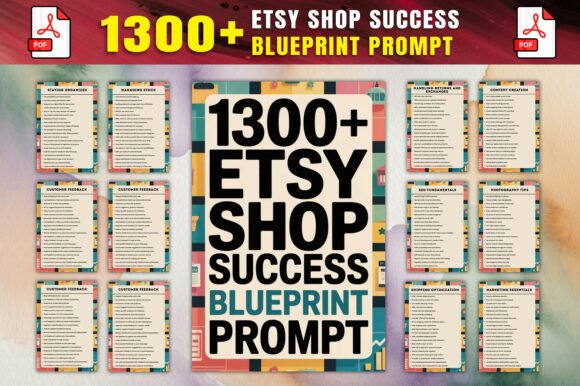
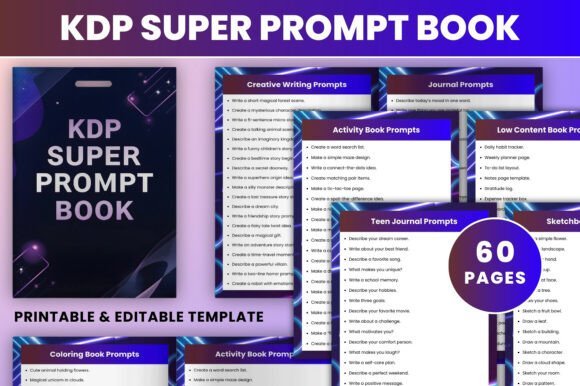
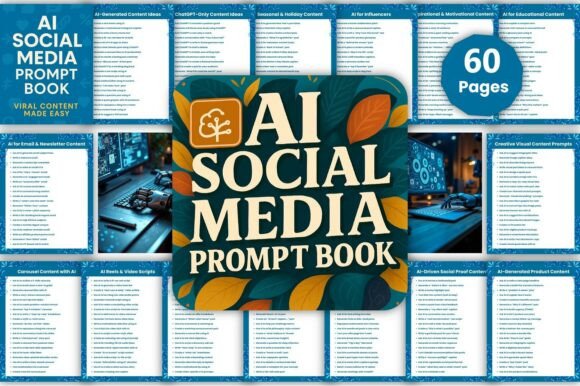
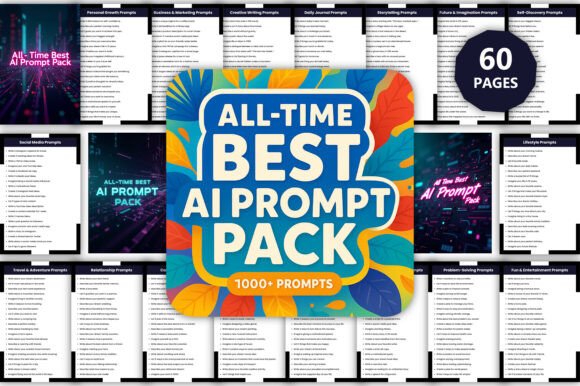
AI tools are only as effective as the questions you ask them. A vague request yields vague output. A precise, context-rich, strategically framed prompt unlocks clarity, coherence, and actionable insight. That’s where the 🔥 All-Time Best AI Prompt Pack shifts from convenience to competitive advantage—not because it contains more prompts, but because its 1000 prompts were built with intention: for real work, real deadlines, and real outcomes.
Why Structure Matters More Than Volume
Most users treat AI like a search engine—typing in fragmented requests and hoping for relevance. But generative AI doesn’t retrieve; it interprets, infers, and reconstructs. Without scaffolding—role definition, constraints, format expectations, and outcome framing—it defaults to generic patterns. The 🔥 All-Time Best AI Prompt Pack bypasses that guesswork. Each prompt embeds structure: clear role assignment (“Act as a seasoned copywriter for SaaS startups…”), defined scope (“Generate three subject lines under 45 characters…”), and explicit output rules (“Use active voice, avoid jargon, include one emotional hook…”). This isn’t about feeding AI—it’s about directing it.
Strategic Use Across Real-World Roles
How you apply the 🔥 All-Time Best AI Prompt Pack depends less on your title and more on your current objective. Consider these grounded use cases:
- For educators: Instead of prompting “Explain photosynthesis,” use a prompt from the Lesson Planning category that asks AI to “Design a 25-minute inquiry-based lesson for 8th graders, including one misconception check, two formative prompts, and a real-world analogy tied to climate change.” The specificity ensures pedagogical alignment—not just content accuracy.
- For small business owners: When drafting a customer onboarding email, skip open-ended asks. Pull a prompt from the Customer Experience section that specifies tone (“warm but concise”), length (“under 180 words”), key elements (“include a clear next step, a support link, and one personalized placeholder”), and even brand voice cues (“match our existing ‘helpful neighbor’ tone”). Consistency compounds trust over time.
- For writers and creators: Brainstorming fatigue is real—but so is superficial ideation. A prompt like “List 7 unexpected narrative angles for a memoir about recovering from burnout—each must subvert a common trope (e.g., ‘recovery as linear progress’) and include a concrete sensory detail” pushes past cliché into original territory.
When Context Overrides Convenience
The 🔥 All-Time Best AI Prompt Pack excels when paired with preparation—not as a replacement for it. Before selecting a prompt, ask: What decision am I trying to support? What assumptions am I making? What evidence or input do I need to feed into this prompt? For example, a marketing prompt asking for “five campaign concepts for Q3” will underperform unless you’ve first clarified your target segment’s current pain points, your product’s differentiated value, and your channel constraints. The pack accelerates execution—but not strategy. It sharpens focus, not replaces thinking.
Organized for Decision Velocity, Not Just Searchability
Its 50-category architecture reflects how professionals actually think and act—not how AI models are trained. You won’t find categories like “creative writing” or “business.” Instead, you’ll see Brand Voice Development, Competitor Messaging Audit, Student Feedback Synthesis, or Stakeholder Alignment Briefing. These names signal intent, not topic. They help you match a prompt to a moment: the moment you’re finalizing a pitch deck, prepping for a difficult conversation, or refining a service offering. That thematic precision reduces cognitive load—and increases the likelihood that the output fits your workflow, not the other way around.
Risks of Prompt Reliance Without Grounding
Using the 🔥 All-Time Best AI Prompt Pack without calibration carries quiet risks. First: output homogenization. Relying solely on pre-written prompts—even expert ones—can subtly narrow your own framing habits. Second: context collapse. A prompt designed for “freelance graphic designers targeting eco-conscious brands” may misfire if applied to a B2B enterprise software team without adjusting audience assumptions, KPIs, or success metrics. Third: attribution drift. Over time, it becomes easy to conflate AI-generated drafts with strategic insight—especially when prompts produce polished text. Always ask: Does this reflect my judgment—or someone else’s template?
How to Customize, Not Just Copy-Paste
The included bonus note pages aren’t decorative—they’re operational. Use them to annotate prompts with your unique variables: your brand’s core tension (“We’re premium but accessible”), your audience’s unspoken objection (“They worry about implementation time”), or your internal constraint (“Must align with Q3 compliance review timeline”). Then revise the prompt accordingly. Example: Take the base prompt “Write a LinkedIn post announcing a new feature,” and layer in your notes: “Audience: mid-level ops managers. Tone: pragmatic, no hype. Must mention integration with Zapier and address data residency concerns. Length: ≤ 280 characters.” That transformation—from generic to calibrated—is where real leverage lives.
Long-Term Value Lies in Pattern Recognition
Over weeks and months, consistent use of the 🔥 All-Time Best AI Prompt Pack reveals deeper patterns—not just in what works, but in how your goals evolve. You’ll notice which categories you return to most (e.g., Productivity Systems during launch cycles, Mental Resilience during high-stakes negotiations). You’ll start adapting prompts across domains: repurposing a Storytelling prompt for client case studies, or borrowing a Journalling structure to debrief team retrospectives. That cross-pollination signals growing fluency—not just with AI, but with your own priorities.
Practical Integration Tips
- Start small: Pick one recurring task (e.g., drafting weekly team updates) and replace your current method with one prompt from the Internal Communication section. Track time saved and clarity gained—not just word count.
- Tag and filter: If using digital note apps, tag prompts by goal (e.g., #onboarding, #idea-generation, #crisis-response) rather than category alone. This surfaces relevance faster when pressure mounts.
- Review quarterly: Revisit your annotated prompts. Which ones consistently missed the mark? Which ones sparked unexpected improvements? Let that feedback refine both your usage and your broader process design.
Final Thought: Tools Serve Strategy, Not the Reverse
The 🔥 All-Time Best AI Prompt Pack is not a shortcut to expertise. It’s a lever—one that multiplies the impact of your existing knowledge, experience, and judgment. Its highest value emerges not when you’re stuck, but when you’re deliberate: when you choose a prompt not because it’s available, but because it advances a specific objective, respects your constraints, and leaves room for your voice to lead. That kind of intentionality doesn’t scale automatically—but with this pack, it scales meaningfully.