Line Pages Notebook Sunflower
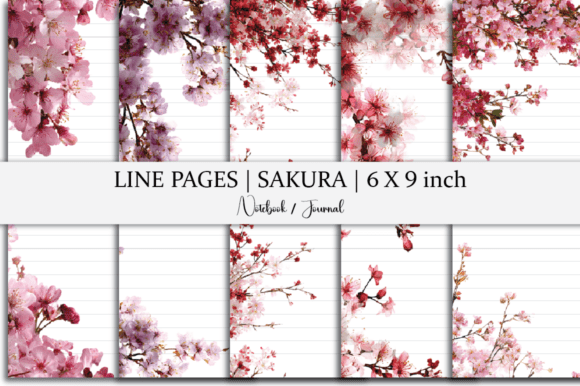
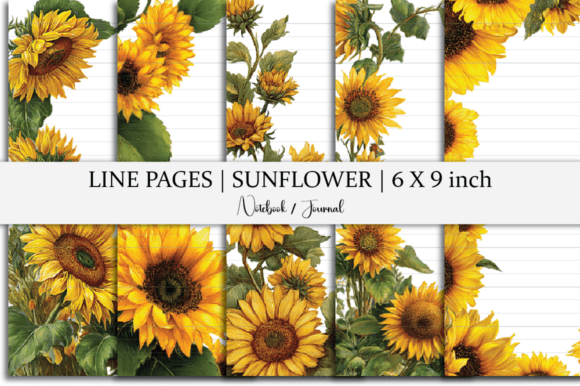
The Line Pages Notebook Sunflower is a purpose-built digital notebook template designed for clarity, consistency, and quiet intention. It’s not a physical product—it’s a set of five printable or screen-friendly pages (6 x 9 inches), delivered instantly as a ZIP file containing JPG, PNG, PDF, and editable source files. This isn’t decorative stationery; it’s a functional tool for people who rely on structure without sacrificing warmth or personal rhythm.
Where It Fits in Your Workflow
Most planning tools fall into one of two categories: rigid systems that demand strict adherence, or open-ended canvases that leave you wondering where to begin. The Line Pages Notebook Sunflower occupies the middle ground—structured enough to guide focus, flexible enough to adapt across contexts. It works best when treated as a *process anchor*: a consistent format you return to before, during, or after meaningful work—not as a replacement for thinking, but as a container for it.
Before starting a project, use the lined pages to outline scope, define success criteria, or draft questions you’ll need answered. During execution, they serve as low-distraction capture zones—no toggling between apps, no formatting decisions, just forward motion. After completion, the same pages become reflection surfaces: what worked, what shifted, what needs refinement next time. Because the layout is clean and uncluttered, attention stays on content—not customization.
Real-World Use Cases Across Roles
A freelance copywriter might open the PDF version on a tablet before a client call, jotting down talking points and follow-up questions in real time—then print the same page later to annotate with handwritten notes from the conversation. An educator could import the PNG into a lesson-planning app, layering curriculum standards directly onto the lined grid while keeping margins free for student feedback notes. A small business owner may print three copies of the same page: one pinned to a bulletin board for weekly priorities, one scanned and filed digitally with meeting minutes, and one kept in a binder for quarterly review.
For creators building digital products, the source file (often layered PSD or AI) allows subtle customization—adjusting line spacing for dense technical notes, swapping fonts for brand-aligned documentation, or adding light watermarks before sharing drafts with collaborators. The uniform 6 x 9 inch size ensures compatibility with standard binders, tablet stands, and most e-ink readers—no cropping, no scaling surprises.
Integration Without Overhead
Unlike cloud-based notebooks that require account setup, sync permissions, or subscription tiers, the Line Pages Notebook Sunflower integrates through simplicity. It doesn’t compete with your existing tools—it complements them. Import the PDF into Notability or GoodNotes for stylus annotation. Drag the PNG into Canva or Figma as a base layer for workshop handouts. Use the JPG in a shared Google Slides deck as a consistent slide background for team brainstorming sessions. Even email workflows benefit: attach the blank PDF as a pre-formatted “briefing sheet” for stakeholders to fill out and return.
Because all formats are included in one ZIP, there’s no guesswork about which file type suits your current need. No need to convert or re-export—just extract and deploy. That reduces friction at the exact moment you’re trying to start something new. And since nothing is hosted remotely, your notes remain fully under your control—no third-party access, no algorithmic sorting, no accidental deletion by an auto-clean feature.
Preparation That Pays Off
Getting the most from the Line Pages Notebook Sunflower starts with intentional preparation—not hours of setup, but a few deliberate choices. First, decide how you’ll use it consistently: will it live digitally, printed weekly, or both? If printing, test one page on your preferred paper stock first—some matte finishes handle ink better than glossy ones, and line visibility changes subtly with texture. If using digitally, assign a clear naming convention (e.g., “Sunflower_ProjectX_Q3” or “Sunflower_Meeting_20240522”) so files stay findable months later.
Second, consider pairing it with a simple ritual. For example: every Monday morning, open the PDF, duplicate the first page, rename it with the week’s focus area, and spend seven minutes writing three concrete actions—not goals, but doable steps. That habit alone builds momentum without demanding perfection. The sunflower motif isn’t just visual—it’s a quiet reminder: growth happens steadily, in alignment with conditions you can influence.
Long-Term Usability and Consistency
Many digital templates lose value over time because they’re either too generic (“just lines”) or overly prescriptive (“Step 1: Define vision. Step 2: List KPIs…”). The Line Pages Notebook Sunflower avoids both pitfalls. Its minimalism supports long-term use because it doesn’t date itself with dated terminology, branding, or forced frameworks. You won’t outgrow it—you’ll evolve how you apply it.
Consistency compounds quietly. When your meeting notes, client briefs, and learning reflections all use the same underlying structure—even if filled differently each time—your brain begins recognizing patterns faster. You spot recurring themes across projects. You notice when certain types of tasks consistently run long. You build a personal archive that’s searchable, scannable, and meaningful—not just a collection of files.
Quality control is built in, too. Because each page is identical in layout and proportion, formatting errors vanish. No misaligned headers. No inconsistent margins. No accidental font shifts between documents. That reliability matters when you’re compiling reports, preparing presentations, or handing off work to others.
Practical Tips for Immediate Use
- Start small: Print one page. Fill it with notes from your next 20-minute planning session—nothing more. Notice how the line spacing affects your writing speed and legibility.
- Leverage layers: In design or note-taking apps, place the PNG on a locked bottom layer and write or sketch above it. This preserves the original grid while letting you add color, arrows, or highlights freely.
- Batch-print smartly: If you prefer physical notebooks, print five pages per week—but only after reviewing last week’s entries. This creates natural rhythm between reflection and action.
- Archive with intent: Save completed pages in dated folders (e.g., “Sunflower_Archive_2024_Q2”). Add a brief text file listing key outcomes—this turns passive storage into active knowledge management.
The Line Pages Notebook Sunflower doesn’t promise transformation. It offers fidelity—to your process, your pace, and your priorities. It’s the kind of tool that fades into the background until you realize, weeks later, that your planning feels lighter, your notes are easier to revisit, and your progress has more texture than before. That’s not magic. It’s design aligned with how real work unfolds.