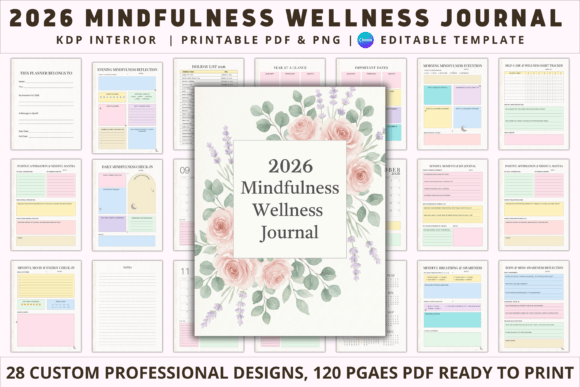
2026 Mindfulness Wellness Journal
If your calendar is full but your energy feels low, if “busy” has become your default identity, and if scrolling through notifications leaves you more drained than connected—this isn’t burnout waiting to happen. It’s a quiet signal: you’re ready for something gentler, more intentional, and deeply human. The 2026 Mindfulness Wellness Journal meets that need—not as another productivity hack or rigid system, but as a soft landing place for your attention, your breath, and your unfolding year.
This isn’t just a planner with pretty pages. It’s a carefully calibrated tool built for adults who juggle deadlines and care deeply about their inner landscape—freelancers drafting proposals at midnight, educators resetting after back-to-back classes, founders navigating uncertainty, bloggers refining their voice, or parents carving out five minutes of stillness before the morning rush. Its strength lies in its balance: structure without rigidity, guidance without prescription, reflection without pressure.
A Daily Anchor in a Fragmented World
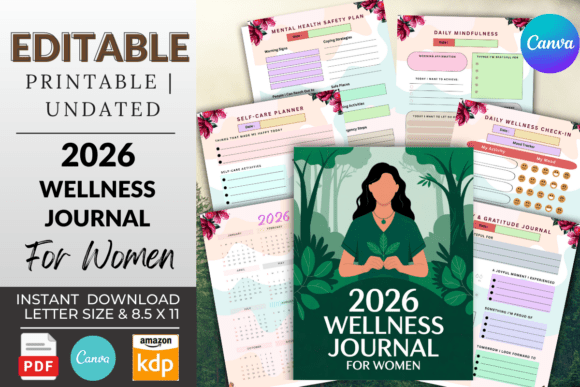
Most digital tools optimize for speed and output—but not presence. The 2026 Mindfulness Wellness Journal does the opposite. Its daily layout begins with a Morning Mindfulness Intention, not a to-do list. That subtle shift—from “what must I do?” to “how do I want to *be* today?”—reorients your nervous system before the first email arrives. Later, the Evening Mindfulness Reflection invites you to pause—not to audit performance, but to notice what moved you, what rested you, what surprised you.
Real-world use? A marketing manager uses the Mindful Mood Energy Check-In to spot patterns: she notices her focus peaks mid-morning only when she’s had 10 minutes of quiet breathing first. A teacher fills the Mindful Moments Joy Journal with small wins—“student asked a thoughtful question,” “laughed with colleague in hallway”—rebuilding emotional resilience one genuine observation at a time. These aren’t fluff entries. They’re data points about what sustains *you*, gathered gently, consistently, without judgment.
Designed for How You Actually Live (Not How You “Should”)
The journal’s minimalist aesthetic isn’t just calming—it’s functional. Soft tones, ample white space, and uncluttered layouts reduce cognitive load. There’s no frantic color-coding or complex habit-stacking. Instead, the Self-Care Wellness Habit Tracker uses simple checkboxes beside grounded practices: “Drank enough water,” “Moved my body intentionally,” “Said no without guilt.” This removes the shame spiral that often follows rigid tracking—and makes consistency feel possible, even on chaotic days.
Notice the inclusion of a Body Mind Awareness Reflection. That’s intentional. Stress doesn’t live only in your thoughts—it settles in your shoulders, your jaw, your breath. This prompt invites embodiment, helping professionals who spend hours at desks or creators who lose track of time while editing video reconnect with physical cues *before* tension becomes pain.
More Than Personal Practice—A Quiet Professional Edge
In creative and knowledge-based work, clarity isn’t found in more information—it’s uncovered in spaciousness. When a freelance writer uses the Notes Pages for free writing *before* drafting client copy, ideas arrive with more authenticity and less friction. When an educator reviews their Year at a Glance page quarterly—not to measure output, but to ask, “Where did I feel most energized? Where did I compromise my boundaries?”—they make strategic decisions rooted in self-knowledge, not external expectations.
Even branding and communication benefit. Bloggers and publishers using the Positive Affirmation Mindful Mantra section often discover recurring themes in their self-talk (“I’m not ready yet,” “This won’t resonate”)—insights they later translate into more compassionate audience messaging. The journal becomes a backstage rehearsal space for showing up more authentically in public-facing work.
Thoughtful Details That Add Up
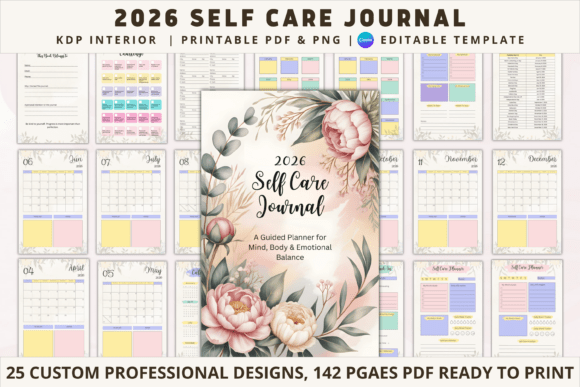
Practical considerations matter. The 2026 Mindfulness Wellness Journal includes a clean 2026 Calendar and Holiday List, yes—but also Important Dates pages where you can note personal milestones alongside professional ones: a child’s recital, a book launch deadline, a therapy appointment, a retreat signup. This integration honors life as it’s actually lived—layered, overlapping, deeply personal.
The Mindful Breathing Awareness Exercises aren’t abstract instructions. They’re embedded directly into daily pages—three breaths before checking email, a 60-second grounding before a meeting. No extra steps. No app downloads. Just quiet, accessible recentering woven into the rhythm of your day.
Who Benefits Most—and Why It’s Worth Choosing Wisely
This journal shines for those who’ve tried apps that ping too much, planners that demand perfection, or journals that feel like homework. It’s especially valuable if you:
- Feel mentally fatigued but aren’t sure where to begin slowing down;
- Want to strengthen self-awareness without diving into intensive therapy or meditation courses;
- Need tangible support for boundary-setting, emotional regulation, or sustainable creativity;
- Prefer analog tools that keep you off screens during key reflective moments;
- Value aesthetics that support calm—not stimulation.
That said, it’s not magic. Its impact multiplies with gentle consistency—not perfection. Skipping three days? The journal doesn’t scold. It simply offers the next page, blank and open. That compassion is part of its design intelligence.
When evaluating wellness tools, ask: Does it meet me where I am—or does it require me to become someone else first? The 2026 Mindfulness Wellness Journal chooses the former. It assumes you’re already enough. It simply offers a quiet, beautiful, practical way to remember that—day by day, breath by breath, intention by intention.